What is Reiki?
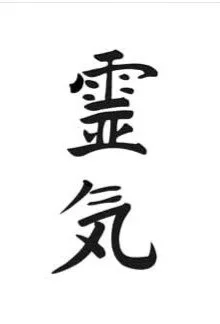
The word Reiki is Japanese and can be translated to mean “Universal Lifeforce Energy.” It is pronounced “ray-key.” This Universal Lifeforce Energy, or Reiki, is the raw intelligent conscious energy that makes up our physical, mental/emotional and spiritual being on all levels, as well as all things that exist in the unified field. A practitioner calls forth or channels the Reiki during a treatments from the universal source. Reiki is often channeled through the practitioner through the hands into the receiver. As practitioners advance, the Reiki can be summoned around the practitioner directly from source to the receiver, sent by concentrating through line of sight and even over great distances with intention. It is believed that using one’s hand to heal originated from the innate instinctual response to pain—if something hurts we intuitively place our hands on it. This simple response of placing our hands on an area of pain, often if not always reduces the feeling of pain.
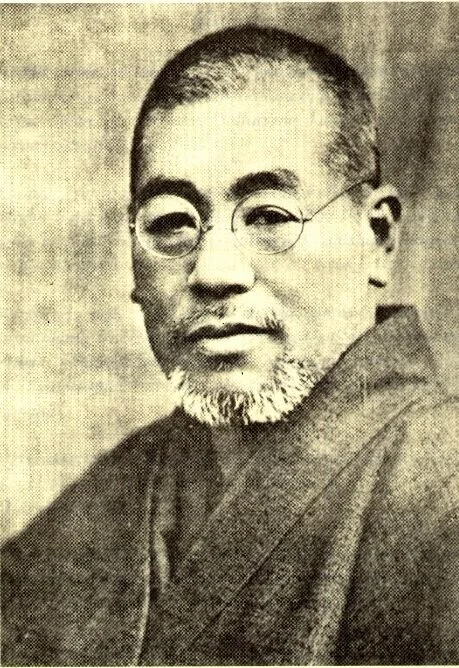
“Reiki Ryoho”, or “Healing Training System with Reiki” was developed Mikao Usui after having vision on Mt. Karuma. Though he wasn’t the first healer to use Reiki, he was guided on how to refine its use further and develop a specific system to train and attune others to use Reiki. He is credited as the modern father of Reiki.
An attunement is when a Reiki Master passes on the ability to call upon Reiki by the student. Attunements were developed by Usui and traditionally there are 3 attunements, one for each level. During the attunement process the ability of the Reiki student to channel the universal lifeforce is increased.
Reiki treatments have been shown in research to activate the body’s parasympathetic nervous system and brings the body into hemostasis, also known as “rest and digest” phase. When the parasympathetic nervous system is activated, the body and mind start to enter deep relaxation creating a recipe for well-being. Some benefits that one may expect from Reiki treatments as shown by current treading research:
Symptom reduction
Increase oxygen levels
Reduction in general tension
Positive pain relief
Stress and anxiety reduction
Increased quality of life
Increased inner peace
Improved sleep
Better spiritual connection
For more benefits and clinical research of Reiki treatments please check out the Center for Reiki Research.
A typical Reiki treatment entails the receiver laying on a table or sitting in a chair, fully clothed. The practitioner will start with an energy activation and clearing, followed by prayer and/or an intention to summon Reiki by forming a mind-spirit connection with the receiver. Then, the practitioner may scan the body for where energy is needed. Next, the practitioner may place hands on client lightly or hover hands above where they are being called to or at prescribed set of locations on the body. Usually the session lasts around 45-minutes. Finally, the practitioner closes the session and disconnects from the session.
The number of sessions to completely reach the desired state of well-being varies person to person. Usually the longer someone lives with a something, the more Reiki treatments are needed. However, spontaneous shifts or changes can occur, especially when the body is in homeostasis. The effects of Reiki can often be felt after the session at times and repeated Reiki treatments often have an accumulating effect.
During a treatment, the receiver can feel a sense of deep relaxation or peace, heat or coolness from the hands, tingling in the body, body tremors or shakes, see visions, like colors, or nothing at all. Sometimes there can be an emotional release or a purging event of sorts after the session. The experience is unique to each individual and may vary from treatment to treatment.
To experience its profound effects please schedule an appointment.